Why Stress Shows Up in Your Neck and Shoulders (And What You Can Do About It)

stress-relief-neck-shoulders-surrey

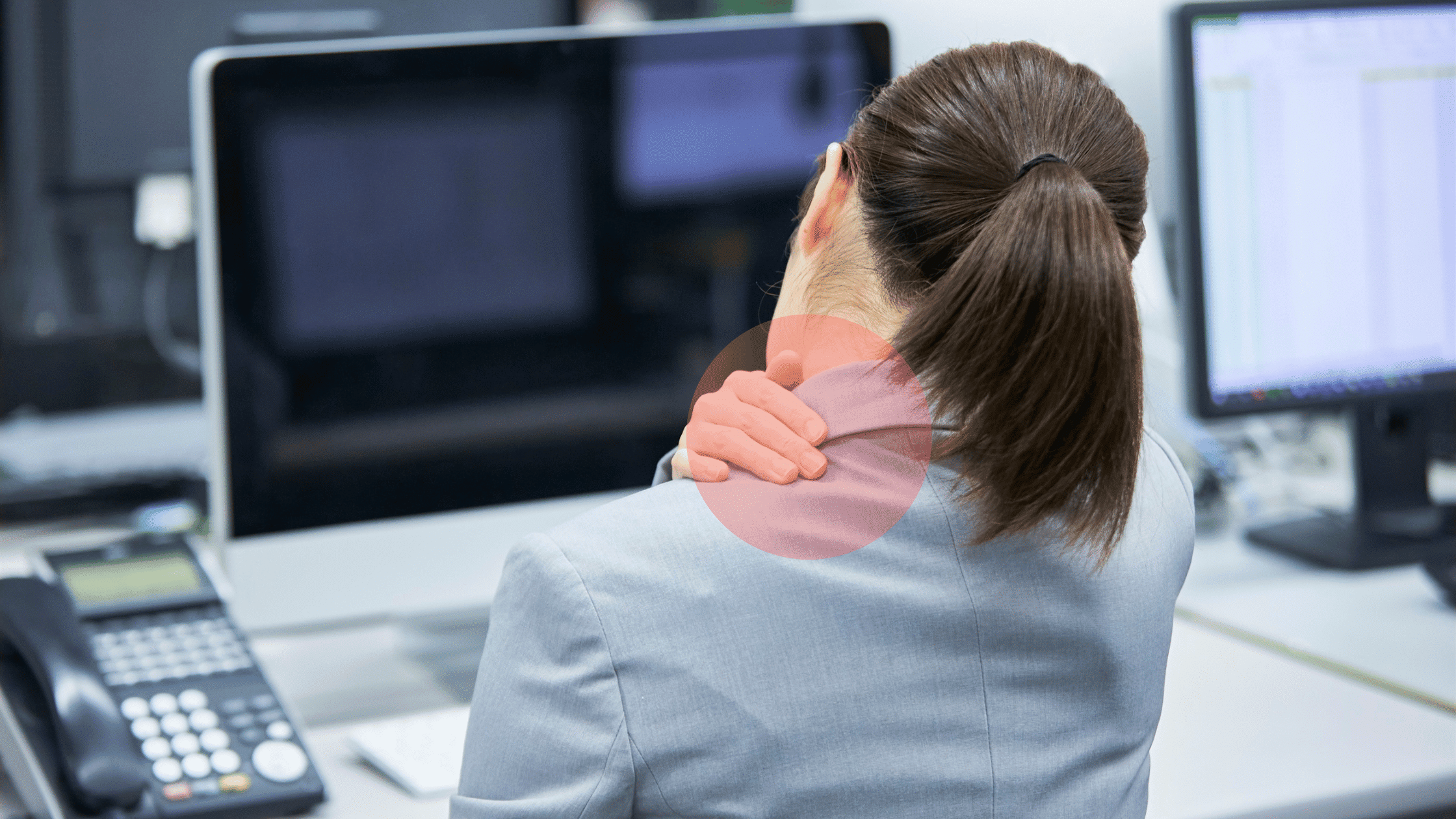
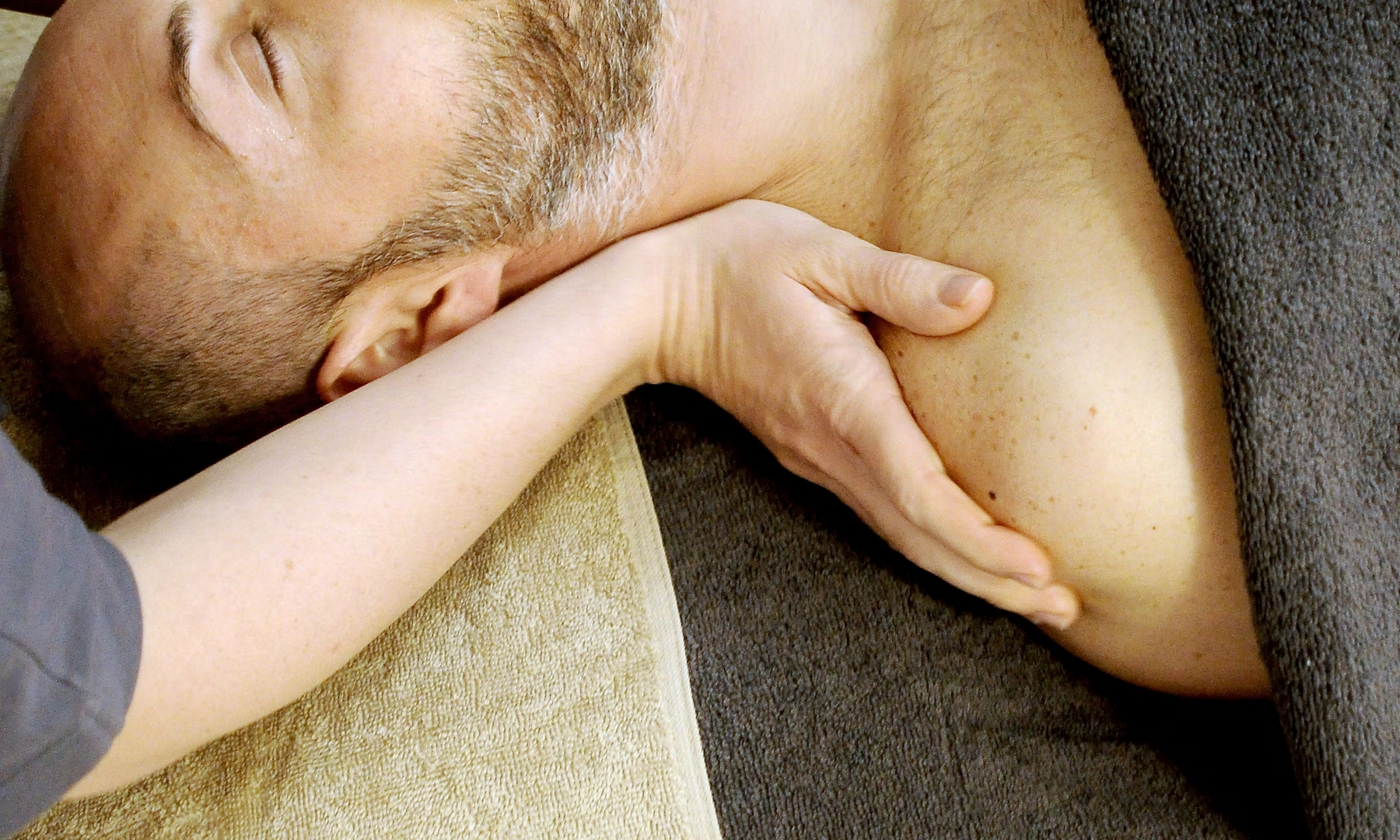
If you’ve been feeling tightness in your neck or a constant ache across your shoulders, you’re not alone. In a recent community poll, the top reasons people said they visit a massage therapist were: Stress Neck & shoulder tension And the two are deeply connected. How Stress Affects the Body When you’re stressed, your body activates the fight-or-flight response. This increases muscle tension, especially in: Upper trapezius Levator scapulae Base of the skull Between the shoulder blades Even if you don’t notice it happening, your shoulders subtly lift and tighten throughout the day. Over time, this can lead to: Stiff neck Headaches Reduced range of motion Tingling or radiating discomfort Poor posture Fatigue Why Stress Tension Is Different from “Tight Muscles” Stress-related tension isn’t just about knots. It’s nervous system–driven. When your nervous system stays in a heightened state, your muscles don’t fully relax — even when you’re resting. That’s why simply “pressing harder” on tight spots doesn’t always fix the issue. Sometimes, what your body needs most is nervous system regulation. Why Relaxation Massage Can Help Relaxation massage is often misunderstood as “just light massage.” In reality, it plays a powerful therapeutic role for stress-related neck and shoulder tension. At our Surrey clinic, Gurinder focuses specifically on relaxation massage techniques that: Reduce stress hormone levels Improve circulation Encourage parasympathetic (rest-and-digest) activation Help muscles release naturally Improve sleep quality When the nervous system calms down, the muscles follow. Common Causes of Neck & Shoulder Tension in Surrey Patients We commonly see tension from: Long desk hours Commuting Remote work setups Emotional stress Parenting demands Poor sleep Phone use (“tech neck”) Even small daily habits add up. What You Can Do Between Appointments Here are simple ways to reduce neck tension at home: 1. Shoulder Drop Reset (1 minute) Sit tall, inhale, gently lift shoulders up toward ears.Exhale slowly and let them drop completely.Repeat 5–8 times. 2. Chin Tuck Gently pull your chin straight back (not down).Hold for 5 seconds.Repeat 10 times to counteract forward head posture. 3. Heat + Breathing Combo Apply gentle heat to upper shoulders for 10–15 minutes while practicing slow nasal breathing. Stress reduction + warmth = better release. When Should You Book a Massage? Consider booking if you notice: Tension lasting more than 1–2 weeks Recurring tension headaches Limited neck movement Pain spreading into arms Trouble sleeping due to discomfort Early care prevents chronic patterns. How Massage, Acupuncture, and Counselling Work Together At Therapy Now, we combine different therapies to address both the body and mind: Massage Relaxation massage focuses on calming the nervous system and releasing tension in the neck and shoulders. Techniques include gentle, rhythmical strokes and focused attention on stress-holding areas. Acupuncture Acupuncture helps regulate the nervous system, improve circulation, and release chronic tension points. Many patients notice reduced stress levels and better energy flow after just a few sessions. Counselling Chronic tension often has an emotional component. Counselling can help identify triggers, teach stress management strategies, and improve coping skills — reducing the physical load on your neck and shoulders. When combined, these therapies address both the cause (stress, posture, emotional tension) and the effect (muscle tightness, headaches, fatigue). Final Thoughts Stress often settles where we least expect it — and for many people, that’s the neck and shoulders. Addressing the nervous system alongside muscle tension can make a significant difference in how your body feels day to day. If you’re experiencing ongoing neck and shoulder tightness, working with a therapist who understands stress-related tension can help restore balance.

Why Frozen Shoulder Takes 1–3 Years (And What Actually Speeds It Up)

Frozen Shoulder Adhesive Capsulitis Surrey BC

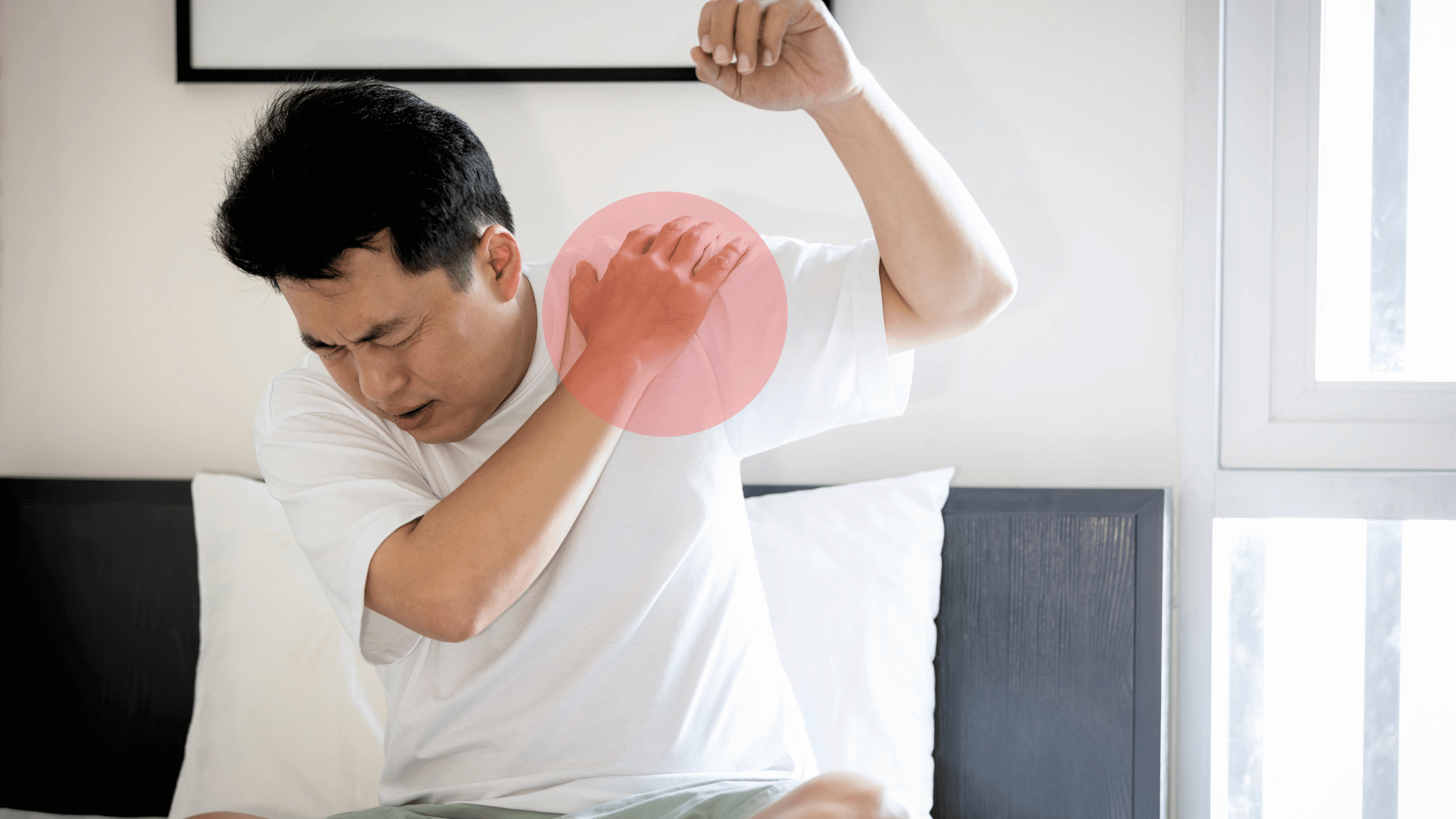
If you’ve been told your frozen shoulder could last 1 to 3 years, you’re probably thinking “There has to be a faster way.” You’re not alone. Frozen shoulder — medically known as Adhesive Capsulitis — is frustrating because it progresses slowly, feels restrictive, and recovery can test your patience. But here’s the truth: 👉 It can take 1–3 years.👉 But it doesn’t always have to feel that long.👉 And there are ways to support faster recovery. Let’s break it down. What Is Frozen Shoulder? Frozen shoulder happens when the shoulder joint capsule becomes inflamed and thickened, limiting mobility and causing pain. Unlike a simple strain, this condition involves the joint capsule tightening and forming adhesions. That’s why it doesn’t resolve in a few weeks. The 3 Stages of Frozen Shoulder (Why It Takes So Long)  Freezing Stage (Painful Stage) Duration: 2–9 months Increasing pain Decreasing range of motion Night pain common This is when inflammation builds. Frozen Stage (Stiff Stage) Duration: 4–12 months Pain may reduce slightly Severe stiffness Daily tasks become difficult At this stage, scar tissue-like adhesions restrict movement. Thawing Stage (Recovery Stage) Duration: 6–24 months Gradual return of mobility Less pain Slow but steady improvement The body remodels tissue gradually — and that’s why recovery takes time. Why Does Frozen Shoulder Take 1–3 Years? Frozen shoulder isn’t just tight muscles. Recovery is slow because: Inflammation and fibrosis: The capsule tissue thickens and develops scar-like adhesions. Poor blood supply: Slow tissue healing in the joint capsule delays recovery. Stage-dependent changes: Each stage has different biological processes that must resolve naturally. Recent research shows that many patients do not fully self-resolve without guided intervention, which is why early treatment is key. What Actually Speeds Up Frozen Shoulder Recovery ? (Updated with Research )​ When we talk about speeding up recovery from frozen shoulder, we’re talking about scientifically supported strategies that help reduce pain, improve mobility, and support long‑term function. Research now supports a multidisciplinary approach, combining physical, manual, and psychological care. Registered Massage Therapy — Evidence Supports Its Inclusion Massage therapy is more than just relaxing — it addresses muscle tension, improves circulation, and can enhance shoulder mobility when combined with therapeutic exercises. Clinical rehabilitation centers include therapeutic and deep tissue massage as part of adhesive capsulitis care to relieve pain and shoulder stiffness and improve movement. Research involving patients with frozen shoulder (especially when combined with related neck and spinal conditions) shows that massage plus therapeutic modalities (like acupuncture) significantly improves range of motion and daily function compared with controls. (https://pubmed.ncbi.nlm.nih.gov/34017443/) Acupuncture — Clinical Evidence Shows Benefit There is growing clinical evidence that acupuncture and related therapies help reduce pain and improve shoulder function more than physical therapy or conventional care alone: A systematic review found that various acupuncture‑related interventions — especially when combined with therapeutic mobilization or massage — showed greater improvement in overall function compared with physical therapy or Western medicine alone. (https://www.frontiersin.org/journals/medicine/articles/10.3389/fmed.2025.1673193/) Another meta‑analysis found that combining acupuncture with physical therapy significantly reduced pain and improved both active and passive range of motion in people with frozen shoulder, more than physical therapy alone. https://www.sciencedirect.com/science/article/abs/pii/S1524904224001942? Psychological Support / Counselling — Emerging Rationale While direct randomized trials specifically for counselling in frozen shoulder recovery are limited, there is clear evidence linking chronic shoulder pain with emotional stress, anxiety, and depression, which can worsen pain perception and slow recovery: Persistent pain and physical limitations in frozen shoulder are associated with increased anxiety, depression, insomnia, and frustration, which can reduce motivation for rehab exercises and participation in therapy. This means that psychological support, pain‑coping strategies, and counselling can help patients manage: Pain‑related stress Fear‑avoidance of movement Mood changes that make rehabilitation harder How our clinic in Surrey uses Massage Therapy, Acupuncture and Clinical Counselling to help with your Frozen Shoulder Recovery Plan? A truly evidence‑based, modern approach to speeding up frozen shoulder recovery includes: Stage‑appropriate exercise and guided mobility — mechano‑rehabilitation remains the backbone. Manual care and massage therapy — reduces compensatory tension and supports mobility. Acupuncture and related modalities — enhances pain control and joint motion when combined with rehab. Counselling / psychological support — improves motivation and coping, reducing pain‑related stress. This isn’t about one magic bullet — it’s about a coordinated, holistic strategy that tackles both the physical limitations and the emotional challenges of frozen shoulder. Have a question about Frozen Shoulder (Adhesive Capsulitis)? Ask us questions

Struggling with Knee Pain on the Stairs? Do I Need Surgery?

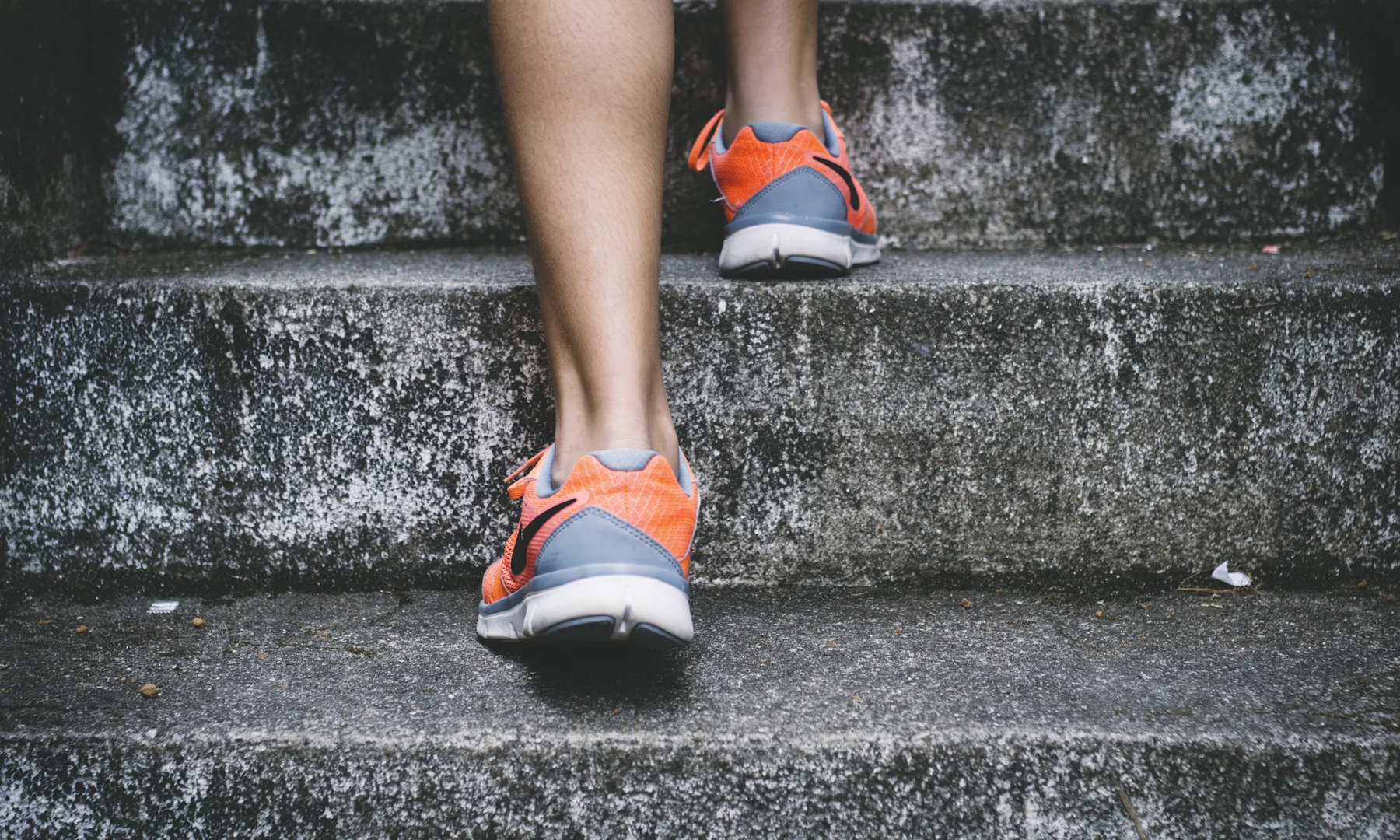
If you’re struggling with knee pain when climbing or descending stairs here in Surrey, it’s natural to wonder: Do I need surgery? It’s a big question—and one that we, as experienced registered massage therapists in Surrey BC, hear often at Therapy NOW. Knee pain can feel overwhelming and affect your day-to-day life, making simple activities difficult. But before you jump to conclusions about surgery, it’s important to understand the causes of your pain, and the many ways you might relieve it without going under the knife. Why Does Knee Pain Happen on Stairs? Stairs place a heavy load on your knees — up to 4 to 6 times your body weight. This can irritate the joint surfaces, tendons, and muscles, especially if there’s an underlying issue. If your knee hurts on stairs, it’s often because of: Muscle imbalances or weakness around the knee Patellofemoral pain syndrome (when your kneecap doesn’t track properly) Tendon inflammation or overuse Early wear and tear (arthritis) Pain doesn’t always mean something needs to be cut out or repaired surgically. When Might Surgery Be Necessary? Surgery is generally considered only when: You have a severe injury like a torn ligament or meniscus that doesn’t improve You experience persistent, worsening pain despite conservative treatments You have advanced arthritis causing major loss of function or quality of life Most of the time, knee pain on stairs can be managed without surgery. How Acupuncture and Massage Therapy Can Help At The Therapy NOW Team in Surrey, our experienced acupuncturists and registered massage therapists in Surrey BC specialize in non-surgical treatments that target the root causes of knee pain. Here’s how we help: Acupuncture: Helps reduce inflammation and stimulates natural healing to ease pain and improve knee function. Massage therapy: Relieves muscle tension, corrects imbalances, and supports better movement and stability. These therapies often reduce the need for more invasive interventions. What You Can Do Right Now to Support Your Knees While you explore treatment options, here are some simple steps you can take at home: Strengthen and stretch the muscles supporting your knee — the quads, hamstrings, and hips. Use handrails when climbing or descending stairs to reduce strain. Maintain a healthy weight to lessen joint pressure. Wear shoes with good support. When to See a Specialist If your knee pain is ongoing or getting worse despite these efforts, it’s time to consult a professional who can assess your condition and guide you on the best treatment path. Your Knee Pain Doesn’t Have to Define Your Life Surgery isn’t the only answer for knee pain when going up or down stairs. At The Therapy NOW Team, we’re dedicated to helping Surrey residents move better and feel better—naturally. Our skilled massage therapists in Surrey BC work closely with you to relieve pain, restore mobility, and help you avoid unnecessary surgery. We combine the power of acupuncture and hands-on massage therapy to create personalized care that addresses your body’s specific needs. If you’re unsure about your knee pain or need guidance on next steps, reach out to us anytime. Call us at 604-401-4059 Visit therapynow.ca Book Now Take the first step toward knee pain relief today — we’re here to support you. Warmly, The Therapy NOW Team

Is It Stress, Anxiety, or ADHD? Let’s Talk About It.

Is It Stress, Anxiety, or ADHD? Let’s Talk About It.

“Is It Just Stress… or Is Something More Going On?” Estimated read time: 4–5 min Lately, I’ve had a lot of patients coming into the clinic saying something like: “I’m overwhelmed all the time.”“I can’t focus — my brain is all over the place.”“I’m constantly anxious, and I don’t know why.” Sometimes it’s blamed on work. Or parenting. Or not sleeping well. But after a few sessions, it becomes clear: “This isn’t how I used to be.” And that’s worth paying attention to. We’re not just “busy” anymore We live in a world that constantly demands our attention — messages, deadlines, decisions, news, kids, partners. It’s no surprise that so many of us feel overstimulated and exhausted. But there’s a tipping point where stress stops being “normal” and starts being something else entirely. What might it be? Let’s look at a few things that might be going on underneath the surface: 1. Anxiety You might notice: Feeling “on edge” all day Racing thoughts at night Trouble relaxing, even during downtime Physical symptoms like tight chest, restlessness, or stomach issues Anxiety isn’t just worry — it’s your nervous system being stuck in high gear. 2. ADHD (especially in adults) Many adults with ADHD never knew they had it growing up. They may have been seen as “smart but scattered” or “lazy but capable.” As adults, they feel: Disorganized and forgetful Overwhelmed by small tasks Frequently distracted Like they’re always falling behind, no matter how hard they try ADHD doesn’t always look like hyperactivity — especially in women or people who’ve learned to mask it. 3. Burnout When your body and mind just… shut down. You feel flat, irritable, unmotivated. You might still “get things done,” but inside you’re exhausted, unfulfilled, or emotionally numb. Burnout often hits caregivers, parents, teachers, health workers — anyone who gives a lot and doesn’t get much space to breathe. So… is it stress? Or something more? It’s not always easy to tell. Stress is a normal part of life — deadlines, parenting, finances, relationships. But when those feelings stick around for weeks or months, or start affecting how you sleep, eat, focus, or feel about yourself… it could be more than just stress. Anxiety, ADHD, or burnout can show up looking a lot like stress — and often, they overlap. The key difference is how much it’s impacting your day-to-day functioning. Here are a few questions to consider: Are you constantly on edge or unable to relax, even when nothing is urgent? Do your thoughts feel scattered or hard to organize? Are you struggling to complete tasks you used to handle with ease? Do small things feel overwhelming, often? If any of this sounds familiar, it’s worth taking a closer look. Here’s what you can do next: Book a mental health check-inSometimes a one-on-one conversation is all it takes to get clarity and feel more grounded. Talk to a clinical counsellorTherapy can help you figure out what’s behind your symptoms — and how to start feeling like yourself again. Keep an eye out for what’s comingThis summer, we’re welcoming a clinical counsellor to our team. They’ll be working with patients on anxiety, ADHD, emotional regulation, and much more. —The Therapy Now TeamProfessional. Friendly. Here for you.

Meet Anthony Assadi: Surrey’s Skilled Registered Massage Therapist with a Focus on Movement and Tissue Health

Registered Massage Therapist RMT Anthony Assadi

Are you dealing with stubborn pain, muscle tightness, or movement issues that just won’t improve? Anthony Assadi, our new Registered Massage Therapist at Therapy Now, blends confident, hands-on care with a movement-informed approach inspired by NeuroKinetic Therapy (NKT) principles. Anthony’s style is rooted in deep tissue understanding—he doesn’t just treat where it hurts; he takes the time to assess how your muscles and tissues are functioning together. This allows him to identify where your body might be compensating or misfiring, so he can target the source—not just the symptom. Anthony’s Registered Massage Therapist Approach: Tissue Assessment & Movement-Informed Massage While not a certified NKT practitioner, Anthony integrates key concepts from it—assessing muscle function, identifying imbalances, and helping reset dysfunctional patterns through intentional, targeted work. His approach helps: Address overcompensation and muscle fatigue Improve joint mobility and muscular coordination Relieve pain caused by poor movement patterns or chronic tension Promote long-term functional change Whether you’re recovering from injury, stuck in chronic tension, or looking to optimize your movement, Anthony offers tailored massage therapy that makes a real difference. Why Book with Anthony? Confident & Capable: Anthony brings a grounded, hands-on presence into every session—he knows what he’s doing, and it shows. Movement-Aware Care: His treatments go beyond general relaxation, focusing on muscle function and coordination. Personalized Treatment Plans: Each session is based on what your body tells him—no cookie-cutter massages here. Book with Anthony at Therapy Now If you’re ready to move better, feel stronger, and experience a more connected body, book a massage with Anthony Assadi at Therapy Now in Surrey today. Book NOW

Join Our Free Running Club NOW!

photo 1476480862126 209bfaa8edc8

We are excited to announce our new Run club! This is a great opportunity to meet other runners (new and experienced) and get tips from experienced runners. We are really excited about offering this to Newton Surrey community. It is a great way to get some exercise, relieve stress, and do something for FREE! Details about the Therapy Now run club is as follows: Runs will be every Monday morning at 9:30AM with Andy and Amanda and Thursday at 6PM with Andy and Brandon. Try to be there 5 minutes early. **Subject to change, please check instagram for updates. Meeting location will be at the Therapy Now clinic. (directions) Duration: 30 – 1 hour depending on the day. The club is open to all levels of runners, from beginners to experienced runners. What are you waiting for? Click here to our newsletter to find out more. We would love for you to join us on our runs! Please fill out our registration form to join.

The Truth about Carbohydrates

Are you tired of feeling carb-confused? You’re not alone. Many clients that I work with need clarification about carbohydrates. But fear not! We’re here to clear up the confusion and help you make better choices for your health and wellness. Carbohydrates, fats, and protein make up the three macronutrients we get from most of our foods. While each of these are littered with misunderstandings, knowing the truth about carbohydrates can be life or death. Poor eating habits can lead to heart disease, type 2 diabetes, cancer and other lifestyle diseases. The easiest way to understand carbohydrates is to use unrefined versus refined. What is unrefined? It’s simple: if you can eat it as it grew in your garden with or without cooking it up (heating it up), it’s unrefined. If you need to start processing it, then the more you process it, the more refined you get! Here’s a quiz: Is a boiled potato an unrefined carb? Yes, because all we did was heat it up! In fact, a boiled potato ranks at the top for being incredibly satiating (filling)! Is a baked potato an unrefined carb? Yes, because all we did was heat it up! Is bread an unrefined carb? No, because we mill the bran and germ (outer layers out). The degree of processing matters when it comes to bread, rice, oats, and other grains. If you remove everything, you’re left with pure sugar, the most refined form. We can all agree that that high level of processing leaves us with “junk” calories. Carbohydrates in their unprocessed unrefined forms have many advantages. They have more water, fibre, vitamins and nutrients. In addition, they’re lower in calorie density, meaning you can eat more volume to feel full while getting fewer calories in (excellent for weight loss). But instead, most people give carbohydrate-rich foods the thumbs down. Why? Because most people are eating highly-refined forms, which are unsurprisingly associated with adverse health consequences. I remember hearing that 90% of carbs eaten in America are processed refined carbohydrates! If you’ve made it this far into this article, then you need a special reward. So here’s a little secret, despite pasta and white rice being more refined forms of carbohydrates, these are NOT problematic. Why not? Because when we cook them, they soak up water. That water absorbed by the rice and pasta noodles means it takes our bodies some time to digest, which equals being full! It also means that while bread is 1200 calories per pound, pasta and white rice are closer to 600 calories per pound. Stay tuned for more tips and tricks on leveraging carbs for your dietary pleasure and satiation in our upcoming blog posts! Andy Bains Nutrition Coach “I believe in sustainable long-term success so you can look and feel better for the rest of your life.” Learn more about Andy Bains… Contact us today at 604-401-0459 for your 15 minute nutrition consultation. Get the personalized advice you need to achieve your nutritional goals.

Acupuncture is effective in treating chronic neck pain and lower back pain

photo 1615997408304 2ece403afe7b

Neck and lower back pain is common musculoskeletal disorders in adult population. It is estimated that annually 30 to 50 percent of adults have neck pain. Neck pain lasting more than 12 weeks is defined as chronic neck pain (CNP). Acupuncture treatment has been widely used for treating neck pain. In the recent decade, there has been an increasing tendency to use acupuncture as a complementary medicine for chronic neck pain. How can acupuncture treat chronic neck pain and chronic lower back pain? Acupuncture is a form of Chinese Medicine that relies on the stimulation of specific points on the body using fine, thin needles. It has been used to treat neck pain by reducing muscle tension and calming the nervous system. This helps reduce pain while improving mobility in the neck area. Additionally, acupuncture can also improve circulation of blood and lymphatic fluids in the affected area, which helps to reduce inflammation and promote healing. Acupuncture has been shown to be an effective treatment in pain reduction and functional improvement for chronic neck pain. It can provide relief for those suffering from chronic pain. If you are considering acupuncture for your neck pain, be sure to consult with a registered acupuncturist to ensure you are getting the best possible treatment. Andy (Di) Le Our Registered Acupuncturist (R.Ac) at Therapy Now, Newton Surrey Learn more about Andy (Di) Le… Tina Huang Learn more about Tina Huang… Leila Montemayor Learn more about Leila Montemayor… Why wait? Experience the healing potential of this ancient form of medicine. Schedule an acupuncture session today!

5 Reasons why you should book a massage therapy appointment now

Massage Therapy at Therapy Now

You may think that due to your busy schedule, seeking massage therapy services is too time consuming. Nonetheless, in spite of the rainy weather we encourage you to book an appointment with your massage therapist. You’ll be glad you did—massage therapy can alleviate your aches and pains while allowing for relaxation and stress relief. 5 reasons why you should book a massage 1. Relieves Muscle Soreness Massage therapy can reduce muscle stiffness and/or soreness resulting from long hours of work, intense physical activity or sleeping in a non-optimal position, etc. When muscles build up stress and tension it can reduce the blood flow to the soft tissues and restrict movement. Pain relief may result from improved circulation helping the muscles heal and restore movement brought about by a massage session. 2. Improves Sleeping Habits Lack of sleep can leave you feeling tired, drained, and unfocused. It can also cause poor cognitive function and a weakened immune system. Massage has been demonstrated to increase the production of serotonin and melatonin, both important in facilitating deep sleep. ! 3. Reduces Injury Risk Massage can improve the flow of blood in the body, increasing oxygen levels and keeping muscles energized, strong and healthy. This helps to prevent injury due to improved tissue elasticity. The additional oxygen also enhances performance during physical activities. 4. Decreases Anxiety and Improves Well-being It has been shown that regular massages can have a positive effect on overall well-being, by helping to decrease anxiety. Massages work by stimulating the parasympathetic nervous system, which in turn can help to slow the heart rate and decrease blood pressure. These effects can be beneficial for those who are looking to improve their overall health and wellbeing. 5. Rehabilitate your injury Massage Therapy is an excellent tool for treating orthopedic issues. Massage can help improve range of motion and decrease pain in the affected area, whether it be a knee injury, lower back pain, wrist discomfort or jaw tightness. Registered Massage Therapists are trained to address these conditions and their symptoms giving you the relief you need and restoring your quality of life. We welcome you to experience our services! Let us help you take care of you NOW!

4 Running Warm-ups

photo 1607962837359 5e7e89f86776

DO I NEED TO WARM-UP BEFORE I RUN? It is important for you to warm up before your work out. How many times have you gone out for a run without warming up? Probably many and you probably have not hurt yourself either so you may think to yourself, “Oh to save time, I can probably just skip it, I just want to run and get this over with.” Warming up before exercise is important for several reasons. First, it prepares your cardiovascular system for physical activity by increasing blood flow to your muscles and raising your body temperature. Second, it helps to lower the risk of getting injured by making your muscles more flexible. So take the time to warm up before your next workout! 4 RUNNING WARM-UPS YOU CAN TRY Jog in Place Run on the balls of your feet. Keeping it light and fast. Split Squat Squat with your legs close together. Squat with your legs far apart. Dynamic Lunges Step forward with one foot. Drop your bottom knee down. Repeat to the opposite side. *Make sure your knees line up with your toes when you drop down. Butt Kicks Bring your heels to your buttocks. Alternate sides. These are just a few warm-ups that you can do. Give them a try and let us know what you think? Join our FREE Run Club in Newton, Surrey

Book Your Appointment in Under a Minute!

Choose the easiest way to schedule with us.

✔ Quick & secure booking
✔ Direct billing available
✔ Appointment reminders included